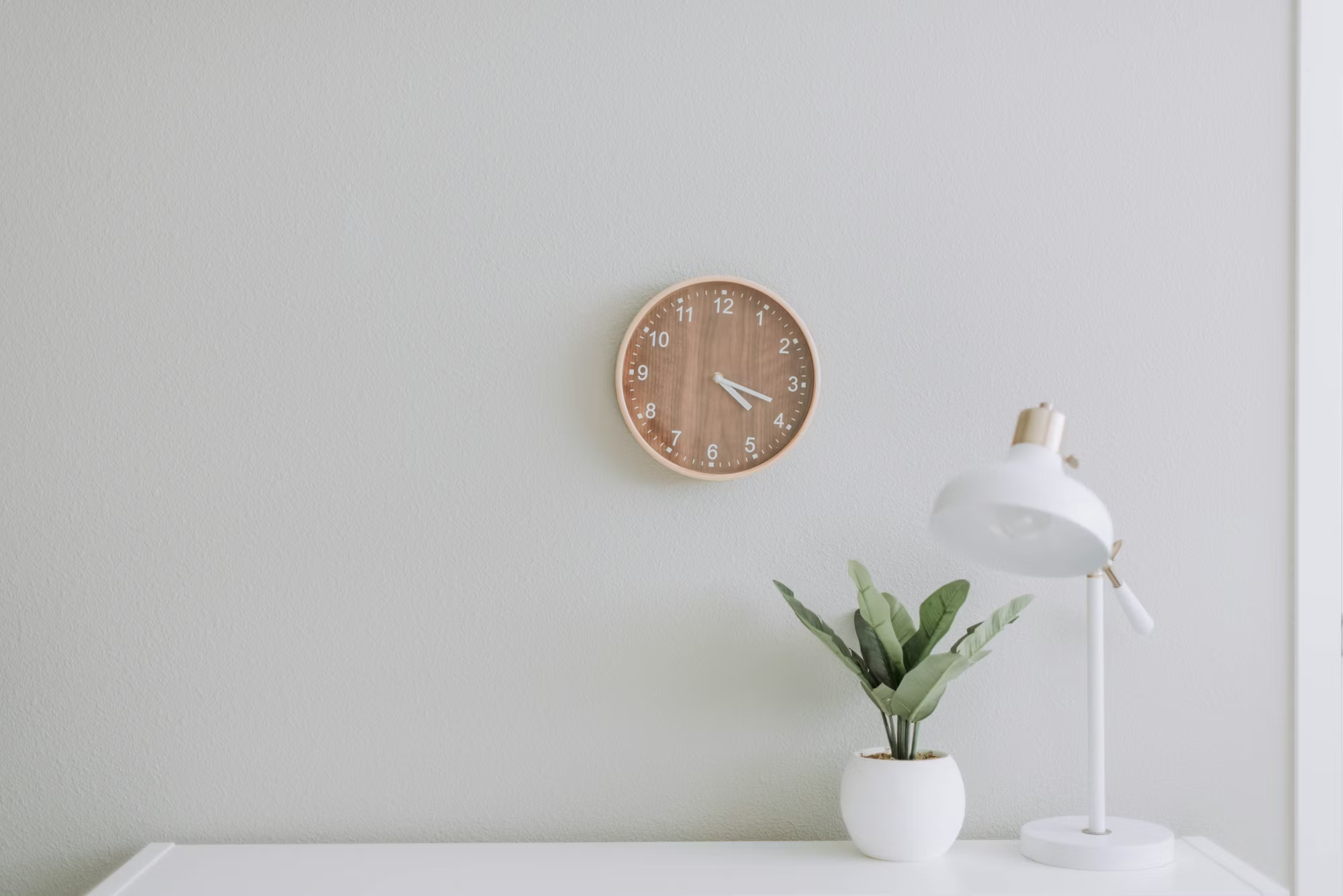
Designing a bedroom that truly feels like a personal sanctuary requires a careful blend of style, comfort, and functionality. In today’s world, where our homes have become more than just living spaces, creating a dream bedroom is essential for promoting relaxation and well-being. This article offers insights and practical tips on how to personalize your bedroom, transforming it into a space that reflects your unique tastes and meets your everyday needs.
Start with a Vision
The first step in designing your dream bedroom is to establish a clear vision. Consider what elements resonate with you. Do you prefer a serene, minimalist aesthetic, or are you drawn to vibrant, eclectic styles? Creating a mood board can be a helpful exercise; gather images, color swatches, and materials that inspire you. This visual representation will serve as a guide throughout the design process, ensuring cohesion and focus.
Choosing the Right Color Palette
Color plays a vital role in setting the mood of a bedroom. Soft, muted tones like pastels or neutrals can create a calming atmosphere, while bold colors can add energy and personality. When selecting a color palette, consider how different shades make you feel. A well-chosen palette can evoke emotions that enhance relaxation and comfort.
For a cohesive look, aim for a harmonious blend of colors across walls, furnishings, and accessories. You might want to use a primary color for larger surfaces, complemented by accent colors in decor elements like cushions, curtains, and artwork. This balance will create an inviting space that feels curated yet comfortable.
Furniture Selection and Layout
The furniture in your bedroom should reflect both your style and your functional needs. Start with the essentials: a bed, bedside tables, and storage solutions. When selecting furniture, consider pieces that offer versatility and functionality. For example, a bed with built-in drawers can maximize storage, while a fold-out desk can serve as a workspace without taking up too much room.
The layout of your furniture is equally important. A well-thought-out arrangement can enhance flow and accessibility. Place your bed in a position that allows for easy movement and a clear view of the room. Ensure that bedside tables are within reach and that any additional furniture doesn’t obstruct pathways. The goal is to create a space that feels open and inviting, allowing for relaxation and ease of movement.
Incorporating Personal Touches
Personalization is what truly transforms a bedroom into a sanctuary. Incorporating items that reflect your personality—whether through artwork, photographs, or cherished souvenirs—can create a sense of belonging. Displaying these items thoughtfully can infuse the space with character and warmth.
Consider adding a gallery wall that showcases your favorite pieces, or use decorative shelving to highlight meaningful items. Textiles also offer an excellent opportunity for personalization; choose bedding, curtains, and throw pillows that resonate with your style. These small touches can make a significant impact, creating a space that feels uniquely yours.
Lighting: Setting the Mood
Lighting is a crucial aspect of bedroom design that often goes overlooked. The right lighting can transform a room from ordinary to extraordinary, enhancing its atmosphere and functionality. Layering different types of lighting—ambient, task, and accent—creates a dynamic environment that can be adjusted according to your needs.
Start with ambient lighting, such as overhead fixtures or ceiling fans, to provide general illumination. Incorporate task lighting with bedside lamps or reading lights for specific activities. Finally, use accent lighting, such as wall sconces or decorative lamps, to create focal points and add warmth. Dimmer switches are also a great addition, allowing you to adjust the brightness and mood according to the time of day or your activity.
Textures and Materials
Incorporating various textures and materials can add depth and interest to your bedroom design. Mixing different fabrics—like soft linens, cozy throws, and plush rugs—creates a tactile experience that enhances comfort. Consider layering textiles in your bedding and decor for a rich, inviting feel.
Additionally, think about the materials used in your furniture and decor. Natural materials like wood, cotton, and wool can create a warm and inviting atmosphere, while metals and glass can introduce a modern touch. Balancing these elements thoughtfully will help to create a cohesive and stylish bedroom that feels well-rounded and inviting.
Functional Zones
Incorporating functional zones within your bedroom can enhance its usability and comfort. If space allows, consider creating designated areas for different activities. For example, a cozy reading nook with a comfortable chair and a small bookshelf can encourage relaxation, while a small workspace can help you stay productive without leaving your sanctuary.
Use rugs or furniture placement to define these zones, creating a sense of separation while maintaining a cohesive design. This approach allows you to maximize the functionality of your bedroom while still keeping it a restful retreat.
Nature and Greenery
Bringing elements of nature into your bedroom can have a calming effect and improve air quality. Consider adding houseplants or floral arrangements to infuse life and color into the space. Plants like snake plants, peace lilies, or pothos are low-maintenance options that thrive indoors.
Incorporating natural elements, such as wooden furniture or stone decor, can also enhance the connection to nature. A well-placed window can frame beautiful outdoor views, bringing natural light and serenity into your bedroom environment.
Sound and Aromatherapy
Creating a tranquil atmosphere involves more than just visual elements; consider how sound and scent can enhance your bedroom experience. Incorporate soft music or sound machines to create a calming auditory backdrop. Alternatively, a small fountain can provide the soothing sound of flowing water, promoting relaxation.
Aromatherapy is another effective way to personalize your bedroom environment. Use essential oils, scented candles, or incense to create a soothing olfactory experience. Scents like lavender, chamomile, or sandalwood are known for their calming properties, perfect for creating a restful space.
Final Touches
As you finalize your bedroom design, take a step back to assess the overall feel of the space. Ensure that each element works harmoniously to create a cohesive and inviting atmosphere. Don’t hesitate to make adjustments; sometimes, small tweaks can have a significant impact on the overall feel of the room.
Conclusion
Designing your dream bedroom is a fulfilling journey that allows you to create a space tailored to your personal preferences and lifestyle. By thoughtfully considering elements like color, furniture, lighting, and personal touches, you can transform your bedroom into a haven of relaxation and comfort. Embrace the process, and let your creativity shine as you craft a sanctuary that truly reflects who you are.
