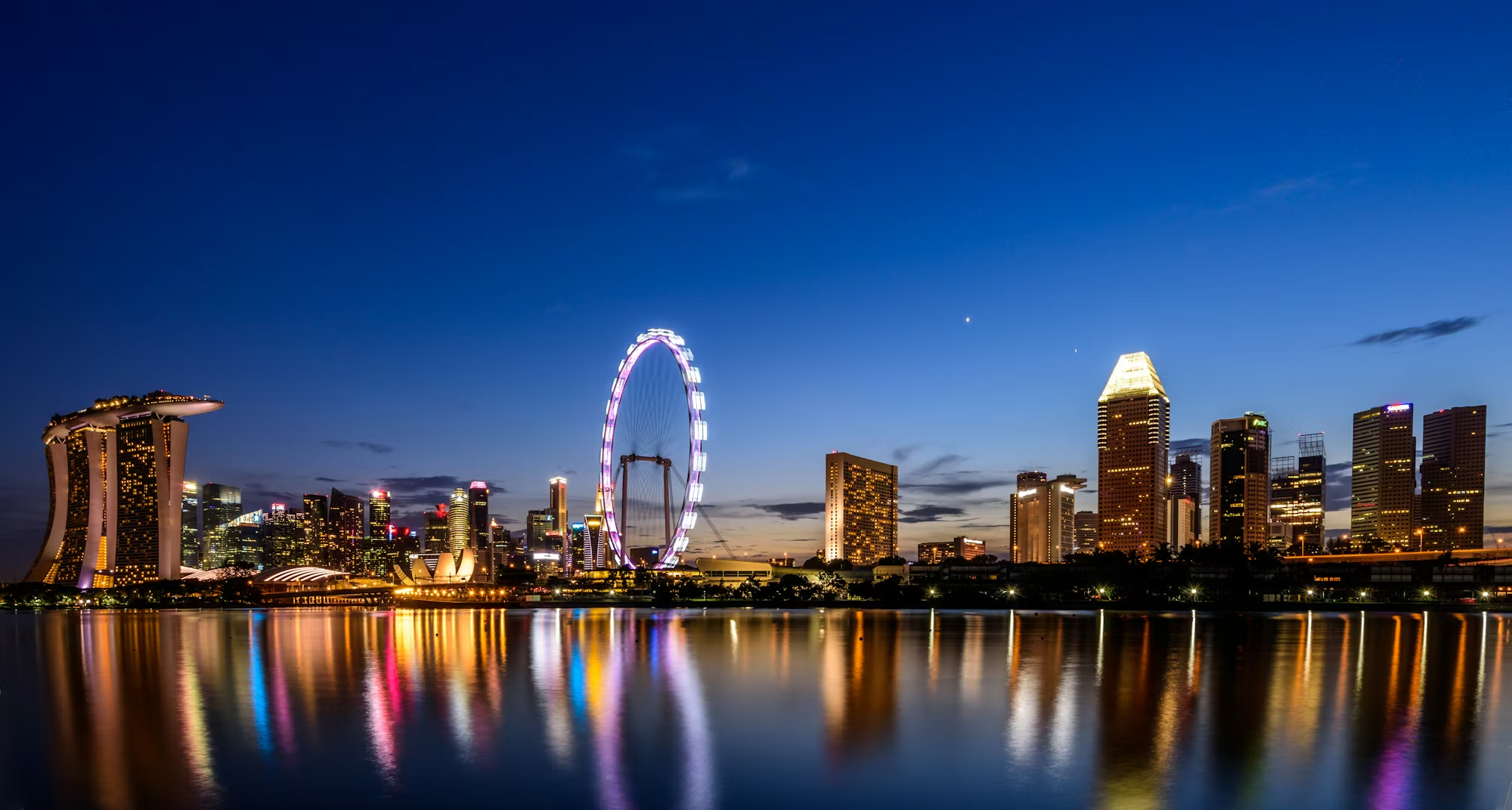
As cities evolve, the real estate market is continually adapting to meet the unique demands of various urban environments. From bustling metropolises to serene university towns, each type of city presents distinct opportunities and challenges for developers, investors, and city planners. This article explores the current trends in real estate across different city types, emphasizing how urban dynamics shape the future of urban living.
Metropolises: A Hub of Opportunity
Metropolises like New York, Tokyo, and London are often viewed as the epicenters of global culture, finance, and innovation. With their high population density and diverse economic activities, these cities attract individuals and businesses from all over the world. The real estate market in metropolises is characterized by a constant demand for both residential and commercial properties, driven by a vibrant workforce and an array of cultural offerings.
In response to increasing housing costs, innovative living solutions are emerging. Developers are exploring micro-apartments, co-living spaces, and mixed-use developments that cater to the needs of young professionals seeking affordable yet dynamic living environments. As sustainability becomes more important, there is also a noticeable shift towards energy-efficient buildings and green technologies, enhancing the appeal of these properties to environmentally conscious residents.
Megacities: Navigating Urban Challenges
Megacities such as Mumbai, Jakarta, and São Paulo face unique challenges due to their sheer size and rapid growth. With populations exceeding ten million, these cities often grapple with inadequate infrastructure and a pressing need for affordable housing. The informal housing sector frequently grows in response to this demand, leading to overcrowded conditions and strained resources.
To tackle these issues, urban planners are increasingly adopting sustainable strategies. High-rise developments are becoming commonplace, utilizing vertical space to address housing shortages while minimizing urban sprawl. Moreover, integrating smart city technologies can enhance public services and infrastructure, improving the overall quality of life. As these cities evolve, the focus on sustainability and inclusivity in real estate development will be crucial in shaping their futures.
Capital Cities: Balancing Governance and Development
Capital cities like Washington, D.C., Berlin, and Ottawa serve as political and administrative centers, influencing their real estate dynamics significantly. The presence of government institutions and international organizations drives demand for both residential and commercial properties, creating unique opportunities for investors.
In capital cities, real estate trends are often dictated by political climates and policy changes. Investors must be vigilant about shifts in governance, as they can impact market stability. Additionally, the trend towards mixed-use developments is gaining traction, as city planners strive to create vibrant urban environments that cater to both residents and visitors. By fostering community-oriented spaces, these developments can contribute to a city’s cultural and economic vitality.
Port Cities: Anchoring Global Trade
Port cities such as Rotterdam, Miami, and Hong Kong play a vital role in global trade and commerce. Their strategic locations along coastlines make them key players in international shipping and logistics, which directly influences their real estate markets. The demand for properties that facilitate trade, such as warehouses and logistics centers, is on the rise, driven by the growth of e-commerce and global supply chains.
In these urban areas, developers are increasingly focusing on mixed-use projects that integrate residential, commercial, and recreational spaces. This approach not only maximizes land use but also creates vibrant communities that enhance the quality of life. As port cities continue to grow and adapt to changing global dynamics, the real estate sector will play a crucial role in supporting sustainable development and economic resilience.
Tech Hubs: The Intersection of Innovation and Real Estate
Cities recognized as tech hubs, such as San Francisco, Austin, and Bangalore, are reshaping the real estate landscape through their concentration of technology companies and startups. The demand for office and residential spaces in these areas is driven by a young, dynamic workforce eager to live and work in innovative environments.
Developers are responding to this trend by creating collaborative workspaces and vibrant neighborhoods that foster creativity and community. Co-working spaces and flexible office arrangements are becoming essential, allowing businesses to adapt to changing work models. Furthermore, there is an increasing emphasis on sustainability, with many tech companies prioritizing eco-friendly building practices that appeal to environmentally conscious employees and consumers.
Tourist Cities: Finding Balance in Demand
Tourist cities such as Barcelona, Venice, and Paris attract millions of visitors each year, creating a distinctive real estate landscape. The dual demand for short-term rentals and long-term housing often leads to conflicts between residents and tourists, prompting city governments to implement regulations aimed at balancing both interests.
In response, investors are exploring various models, including long-term rentals and mixed-use developments that cater to both tourists and locals. Properties designed to enhance the visitor experience—such as boutique hotels and experiential retail spaces—are becoming increasingly popular. By fostering a balance between tourism and community needs, these cities can maintain their cultural charm while supporting sustainable economic growth.
University Towns: Driven by Education
University towns like Cambridge, Ann Arbor, and Berkeley thrive on their educational institutions, which create a consistent demand for housing and services. The presence of students, faculty, and research centers fosters a vibrant atmosphere, attracting a diverse population eager to engage in academic and cultural activities.
Investors in university towns often capitalize on the steady demand for student housing and rental properties. Additionally, the collaborative spirit within these communities can lead to partnerships between universities and private developers, resulting in innovative projects that support research initiatives and local startups. Understanding the unique dynamics of university towns can yield lucrative opportunities in the real estate sector.
Financial Centers: Adapting to Market Trends
Financial centers like New York, London, and Hong Kong are critical nodes in the global economy, characterized by high demand for commercial properties and luxury residential spaces. The competitiveness of these markets often drives prices up, making real estate investment both lucrative and challenging.
As the landscape of work changes, with more companies embracing remote and hybrid models, the demand for flexible office spaces is growing. Investors must adapt to these evolving needs by developing properties that offer modern amenities and versatile layouts. Moreover, as sustainability gains importance, there is a significant push towards green building practices that resonate with the values of today’s tenants and businesses.
Historic Cities: Preserving Heritage While Innovating
Historic cities like Rome, Kyoto, and Istanbul are known for their rich cultural heritage and stunning architecture. The preservation of historical landmarks plays a vital role in shaping the real estate market in these regions, influencing tourism and local community dynamics.
Developers in historic cities must navigate complex regulations that protect cultural heritage while accommodating modern needs. However, this also opens opportunities for niche markets focused on heritage tourism and restoration projects. By prioritizing sustainable and culturally sensitive developments, investors can create properties that enhance the unique identity of these cities and attract visitors while benefiting local residents.
Smart Cities: The Future of Urban Living
Smart cities, such as Singapore and Amsterdam, are at the forefront of integrating technology into urban living. The application of smart solutions in infrastructure and services is transforming how residents experience urban life, emphasizing efficiency, sustainability, and connectivity.
In these cities, there is a growing demand for smart buildings equipped with advanced technologies that promote energy efficiency and enhance residents’ quality of life. Developers are increasingly focusing on creating interconnected communities that leverage data to improve urban services and overall livability. As smart city initiatives expand, the potential for innovative real estate developments will continue to grow, offering exciting opportunities for investors and developers.
Conclusion
The future of urban living is being shaped by the unique characteristics of various city types, each presenting distinct real estate opportunities and challenges. From the dynamic environments of metropolises and tech hubs to the cultural richness of historic cities and university towns, understanding these dynamics is essential for stakeholders in the real estate market. By embracing sustainability, technology, and community-focused development, investors and developers can navigate the complexities of urban environments and contribute to vibrant, livable cities for generations to come.
