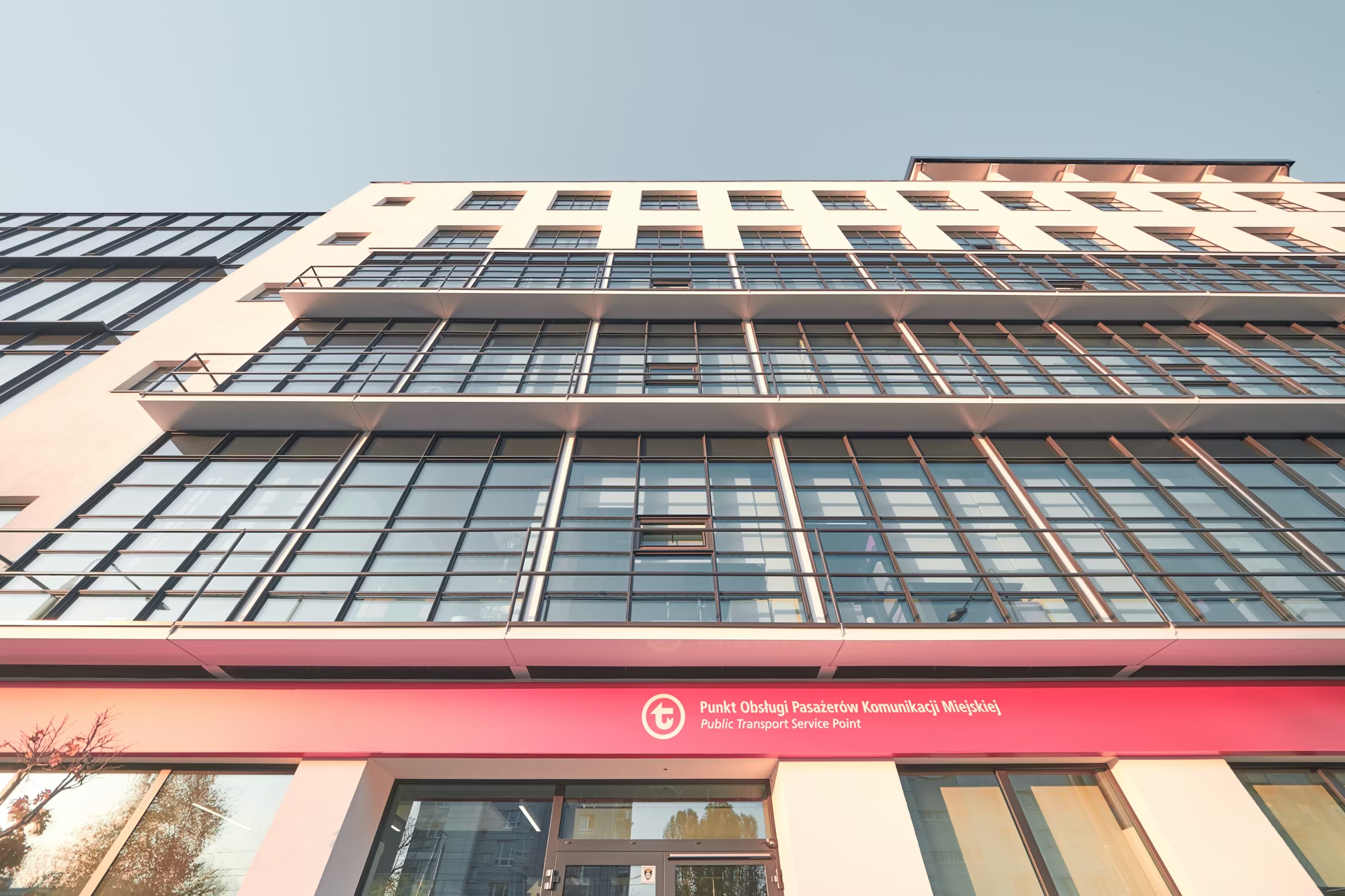
Mixed-use condominiums have emerged as a popular choice in urban development, seamlessly blending residential living with commercial and recreational spaces. This innovative approach not only meets the growing demand for housing but also fosters vibrant communities where residents can live, work, and play all in one location. In this article, we will explore the numerous benefits of mixed-use condominiums, illustrating how they redefine urban living and enhance the quality of life for residents.
Understanding Mixed-Use Condominiums
Mixed-use condominiums are residential buildings that incorporate various types of spaces, including retail shops, restaurants, offices, and recreational facilities, within the same development. This design concept promotes convenience and accessibility, allowing residents to enjoy essential services and leisure activities without having to travel far from home.
The rise of mixed-use developments has been driven by urbanization and changing lifestyle preferences. As more people gravitate toward city living, the need for integrated spaces that provide a holistic living experience has become paramount. Mixed-use condos cater to this demand, creating vibrant environments that enhance community interaction and reduce reliance on cars.
Benefits of Mixed-Use Condominiums
1. Convenience and Accessibility
One of the primary advantages of mixed-use condominiums is the convenience they offer. Residents have immediate access to a variety of amenities, including grocery stores, cafes, gyms, and healthcare services, all within walking distance. This accessibility not only saves time but also encourages a more active lifestyle, as residents can easily engage in daily activities without the need for long commutes.
The design of mixed-use developments often prioritizes walkability, featuring pedestrian-friendly pathways and green spaces that promote outdoor activities. This approach enhances the overall quality of life by fostering a sense of community and encouraging social interactions among residents.
2. Enhanced Community Interaction
Mixed-use condominiums are designed to foster connections between residents and their surrounding community. The integration of commercial spaces within residential areas encourages local businesses to thrive, creating a vibrant atmosphere that attracts both residents and visitors.
Social events, farmers’ markets, and community gatherings are often organized in these developments, providing opportunities for residents to engage with one another. This sense of community is particularly valuable in urban settings, where individuals may feel isolated in traditional apartment complexes. By promoting interaction, mixed-use condos enhance the overall living experience, making it more enjoyable and fulfilling.
3. Economic Benefits
Mixed-use condominiums also bring economic advantages to both residents and local businesses. The presence of retail and commercial spaces within the development creates job opportunities, contributing to the local economy. Residents benefit from the convenience of having nearby employment options, reducing the need for lengthy commutes and providing a better work-life balance.
Moreover, the integration of diverse businesses can lead to increased property values in the area. As demand for mixed-use living continues to rise, the value of these condominiums often appreciates, making them a sound investment for homeowners.
4. Sustainability and Reduced Environmental Impact
Mixed-use condominiums contribute to sustainability efforts by promoting a more compact and efficient urban footprint. By combining residential and commercial spaces, these developments reduce the need for extensive transportation, helping to decrease traffic congestion and lower carbon emissions.
Many mixed-use projects also incorporate eco-friendly practices, such as energy-efficient building materials, green roofs, and rainwater harvesting systems. These features not only enhance the sustainability of the development but also provide residents with lower utility costs and a healthier living environment.
Design Considerations for Mixed-Use Condominiums
The success of mixed-use condominiums relies heavily on thoughtful design and planning. Developers must consider various factors to create a harmonious living environment that meets the needs of residents while accommodating commercial spaces.
1. Zoning and Regulations
Before constructing a mixed-use condominium, developers must navigate local zoning laws and regulations that govern land use. Understanding these guidelines is crucial to ensure that the development aligns with the community’s needs and goals. Collaborating with city planners and stakeholders can help create a balanced design that integrates residential and commercial elements effectively.
2. Space Planning
Effective space planning is essential in mixed-use developments. Developers must allocate appropriate areas for residential units, retail spaces, and common amenities while ensuring that each component functions harmoniously. The design should prioritize accessibility and flow, making it easy for residents to navigate the space and access amenities without feeling overwhelmed.
3. Community Engagement
Engaging with the community during the development process is vital for the success of mixed-use condominiums. Gathering feedback from potential residents and local businesses can provide valuable insights into the types of amenities and services that would best serve the community. This collaboration fosters a sense of ownership among residents and promotes long-term success for the development.
The Future of Mixed-Use Living
As urbanization continues to grow, the trend toward mixed-use condominiums is expected to gain momentum. Developers are likely to focus on creating integrated spaces that prioritize community, convenience, and sustainability. This evolution will not only enhance the quality of life for residents but also contribute to more vibrant and resilient urban environments.
1. Embracing Technology
The integration of technology into mixed-use developments will play a crucial role in shaping the future of urban living. Smart home technologies, mobile apps for community engagement, and digital platforms for local businesses can enhance the living experience, making it more connected and convenient. Residents will have access to real-time information about events, services, and available amenities, fostering a more cohesive community.
2. Flexibility in Design
The future of mixed-use condominiums will likely emphasize flexibility in design to accommodate changing lifestyle preferences. Spaces may be designed to adapt to various uses, allowing for the transformation of retail areas into communal gathering spaces or pop-up shops. This adaptability will ensure that developments remain relevant and responsive to the evolving needs of residents and businesses.
Conclusion
Mixed-use condominiums represent a new frontier in urban living, offering residents the convenience of integrated amenities, enhanced community interaction, and sustainable living options. By combining residential, commercial, and recreational spaces, these developments create vibrant environments that cater to the modern lifestyle. As urbanization continues to shape our cities, the demand for mixed-use living will only grow, redefining what it means to live in an urban setting and paving the way for a more connected and fulfilling living experience.
With their numerous benefits, mixed-use condominiums are poised to play a vital role in the future of urban development, offering residents a unique and enriching lifestyle that promotes convenience, sustainability, and community engagement.
