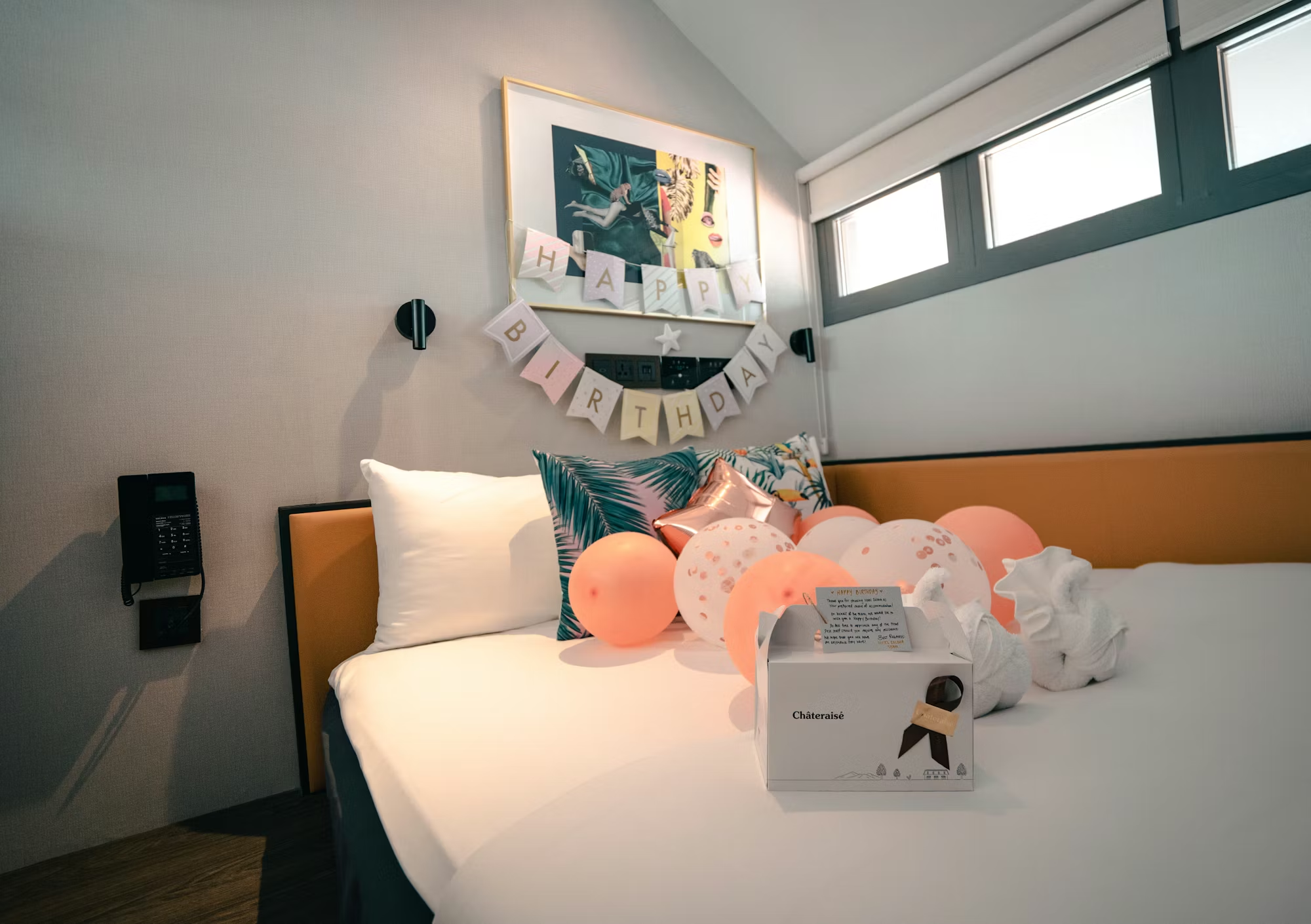
Living in a small space can be both a challenge and an opportunity for creativity. With careful planning and clever design choices, you can maximize every square inch, creating a cozy and functional home. This article explores effective strategies for transforming small living areas into stylish retreats that reflect your personality and meet your needs.
The first step in maximizing a small space is to evaluate your current layout and belongings. Begin by decluttering and removing items you no longer use or need. This process not only frees up physical space but also provides a mental reset, allowing you to visualize new possibilities for your home. Once you’ve streamlined your belongings, consider the layout of your space. A well-thought-out layout can significantly enhance both function and flow.
In small living areas, furniture selection is crucial. Opt for multi-functional pieces that serve more than one purpose. For instance, a sofa bed can provide comfortable seating during the day and transform into a guest bed at night. Similarly, a coffee table with built-in storage can keep your living area tidy while providing a place to set drinks or snacks. When choosing furniture, consider proportion; select smaller-scale pieces that fit the space without overwhelming it.
Another effective strategy is to use vertical space. When floor space is limited, think upward. Shelving units, wall-mounted storage, and hanging organizers can help you make the most of your walls. Tall bookcases or floating shelves not only provide storage but also draw the eye upward, creating the illusion of higher ceilings. Consider using decorative baskets or bins on shelves to keep items organized and visually appealing.
Light plays a significant role in how a space feels. In small areas, maximizing natural light can create an open and airy atmosphere. Keep window treatments minimal—consider sheer curtains or blinds that can be fully drawn to let in sunlight. Additionally, using mirrors can enhance the sense of space. A large mirror opposite a window can reflect light and make the room feel larger. Strategically placed mirrors can also create focal points and add depth to your decor.
Color choice can significantly affect the perception of space. Lighter colors tend to make a room feel larger and more inviting. Consider painting walls in soft, neutral shades like whites, light grays, or pastels. To add personality, incorporate pops of color through accessories like cushions, rugs, or artwork. Using a cohesive color palette can create a harmonious look, tying the room together while keeping it feeling spacious.
When it comes to storage solutions, think outside the box. Under-bed storage is an excellent way to utilize often-overlooked space. Storage bins or drawers can be tucked under beds to keep seasonal clothing or extra linens organized. Additionally, consider investing in furniture that doubles as storage, such as ottomans with hidden compartments or benches with shelving underneath. These solutions keep your space tidy while providing functional storage.
Incorporating plants can bring life and vibrancy to your small space. Choose low-maintenance indoor plants that can thrive in limited light, such as pothos or snake plants. Hanging planters or wall-mounted plant shelves can add greenery without taking up valuable floor space. Plants not only enhance aesthetics but also improve air quality, contributing to a healthier living environment.
Creating defined areas within an open layout can also enhance functionality. Use rugs to delineate different spaces, such as a cozy reading nook or a small dining area. This technique visually separates areas, making the space feel more organized. Additionally, room dividers can create privacy and separate functions without the need for permanent walls. Consider using bookshelves or curtains as flexible dividers that can be adjusted as needed.
If you work from home or need a study area, consider carving out a small workspace in your living area. A compact desk can fit in a corner or against a wall, providing a dedicated area for productivity. Wall-mounted desks are a great option for saving space; they can be folded away when not in use, keeping your area clutter-free. Ensure that your workspace has good lighting, as this can significantly enhance focus and comfort.
Personal touches are essential in making a small space feel like home. Incorporate decor that reflects your style, whether through artwork, photographs, or decorative items. Use wall art or a gallery wall to add personality without taking up floor space. Additionally, textiles such as cushions, throws, and area rugs can introduce texture and warmth, making your space feel inviting.
Don’t forget about functionality when decorating. Ensure that pathways are clear and that the layout facilitates movement throughout the space. Overcrowding a room with too much furniture can make it feel cramped, so aim for a balance between style and functionality. Leave enough space for easy navigation, especially in high-traffic areas like the kitchen or living room.
Lastly, embrace simplicity. In small spaces, less is often more. A minimalist approach can prevent clutter and make the area feel more spacious. Choose a few key decorative elements that resonate with you, and let those shine. Focus on quality over quantity—invest in pieces that are both beautiful and functional, contributing to a cohesive and stylish look.
In conclusion, maximizing small spaces requires creativity, thoughtful planning, and a keen eye for design. By decluttering, choosing multi-functional furniture, and incorporating smart storage solutions, you can create a cozy and stylish living environment. Emphasizing natural light, color, and personal touches will further enhance your space, making it a true reflection of your personality. With these strategies, you can transform even the smallest areas into inviting havens that you’ll love to call home.
