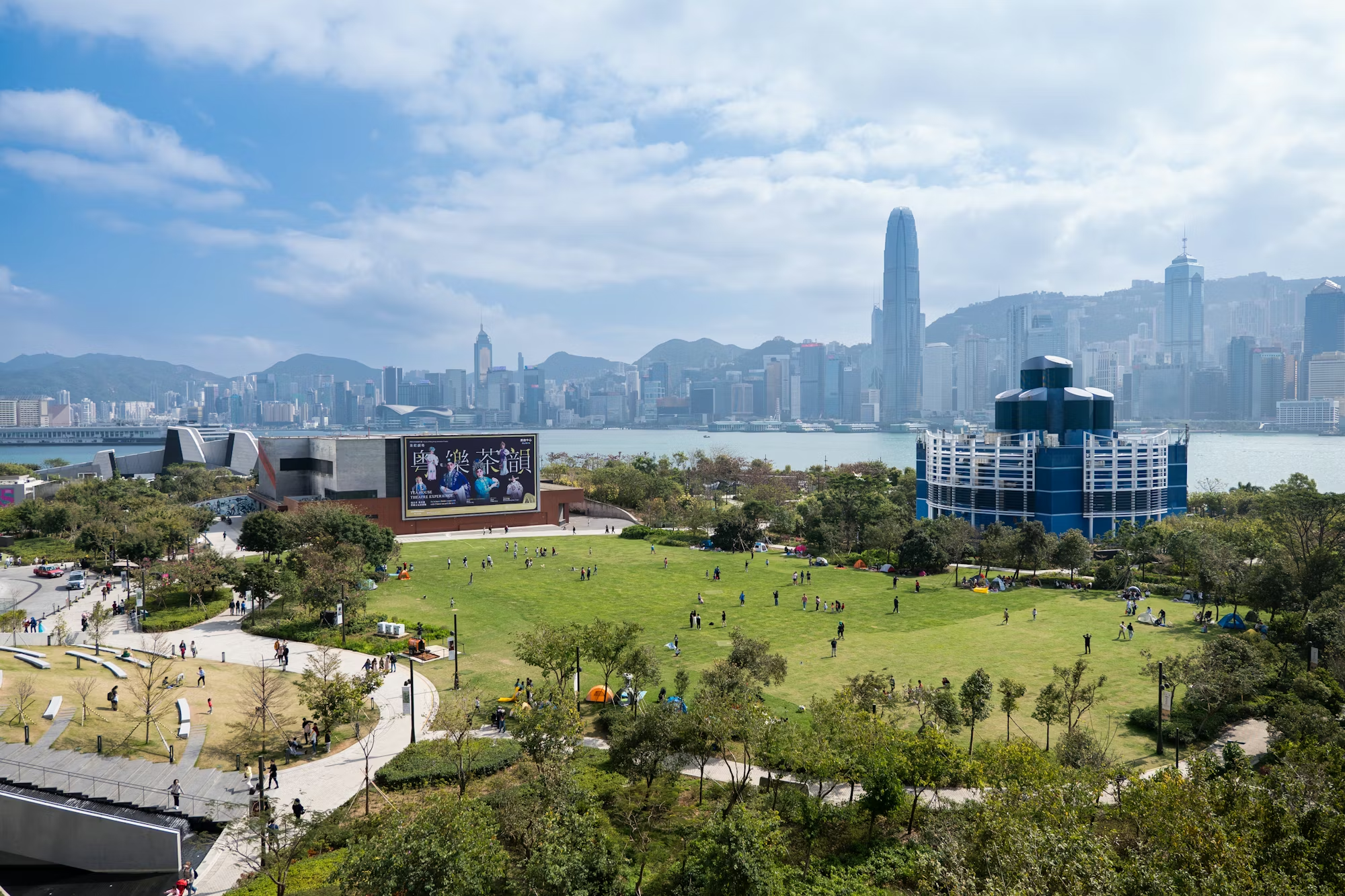
In the rapidly evolving landscape of urban development, the concept of adaptive reuse has emerged as a powerful strategy for revitalizing city spaces. Adaptive reuse refers to the process of repurposing old buildings for new uses, breathing fresh life into structures that might otherwise be abandoned or demolished. This approach not only preserves the architectural heritage of cities but also promotes sustainability and fosters community engagement. As cities face challenges such as population growth, economic pressures, and environmental concerns, adaptive reuse presents a viable solution that aligns with contemporary urban needs.
The benefits of adaptive reuse are multifaceted, starting with sustainability. In an era where environmental issues are at the forefront of public discourse, repurposing existing buildings significantly reduces the demand for new construction. This approach minimizes waste and resource consumption, as the materials already in place are utilized rather than discarded. The environmental impact of demolishing structures can be substantial, often leading to the generation of large amounts of debris and contributing to landfill overflow. By choosing to adapt rather than demolish, cities can contribute to a more sustainable urban environment.
Moreover, adaptive reuse often embodies a lower carbon footprint compared to new construction. Retrofitting an existing building can be less resource-intensive, leading to reduced emissions associated with material extraction, transportation, and construction processes. As urban planners and architects increasingly prioritize green building practices, adaptive reuse fits seamlessly into this framework by providing a path toward more environmentally responsible development.
Another significant advantage of adaptive reuse is its ability to enhance community engagement and preserve cultural identity. Many old buildings hold historical or cultural significance, serving as reminders of a city’s past. When these structures are thoughtfully repurposed, they maintain their character while adapting to contemporary needs. This blend of old and new can create vibrant spaces that resonate with both long-time residents and newcomers, fostering a sense of belonging and continuity within the community.
In addition, adaptive reuse projects often attract local businesses, which can contribute to economic revitalization. By transforming old warehouses into trendy cafes, shops, or artist studios, cities can stimulate local economies and support entrepreneurship. These projects can serve as incubators for small businesses, providing affordable space in neighborhoods that may otherwise struggle to attract investment. As new businesses emerge, they can contribute to the unique identity of the area, drawing visitors and encouraging further development.
Successful examples of adaptive reuse abound in cities worldwide. In New York City, the High Line—a once-abandoned elevated railway—has been transformed into a thriving linear park that attracts millions of visitors each year. This innovative project not only preserves a piece of the city’s industrial past but also enhances green space in an urban environment known for its density. The High Line has spurred surrounding development, leading to increased property values and revitalization of nearby neighborhoods, showcasing how adaptive reuse can catalyze broader urban renewal.
Similarly, in Berlin, the transformation of the former Tempelhof Airport into a public park exemplifies the potential of adaptive reuse to create accessible public spaces. Once a bustling hub of air travel, Tempelhof now serves as a recreational area, hosting community events, outdoor activities, and urban gardening initiatives. This project not only preserves the airport’s historical significance but also provides a valuable resource for residents seeking green space in the city.
Another noteworthy example is the repurposing of old factories and warehouses into loft-style apartments and creative office spaces. Cities such as Detroit and Pittsburgh have seen a resurgence in these types of projects, where former industrial sites are transformed into dynamic living and working environments. These developments attract a diverse population, often appealing to young professionals and artists who value both the character of historic structures and the opportunities for collaboration that come from living in creative communities.
Despite the numerous benefits of adaptive reuse, challenges can arise in the process. Zoning regulations, building codes, and funding constraints can complicate the implementation of these projects. It is essential for urban planners, architects, and developers to work collaboratively with local governments and community stakeholders to navigate these challenges effectively. By fostering open dialogue and incorporating community input, adaptive reuse projects can be designed to meet the needs of all parties involved, ensuring long-term success.
Additionally, adaptive reuse projects can sometimes face resistance from communities that may be attached to the original use of a building or wary of the changes proposed. Addressing these concerns requires transparency and engagement, allowing residents to voice their opinions and contribute to the decision-making process. Successful adaptive reuse projects prioritize community involvement, creating spaces that reflect local values and aspirations.
Looking ahead, the trend of adaptive reuse is likely to continue gaining momentum as cities confront the dual challenges of urbanization and sustainability. As populations grow and the demand for housing and commercial space increases, repurposing existing structures offers a practical solution that aligns with environmental goals. Urban developers are recognizing the value of integrating adaptive reuse into their portfolios, viewing it not only as a sustainable practice but also as a profitable business model.
Furthermore, as the design and architecture industries evolve, innovative technologies and techniques are enhancing the adaptive reuse process. Advances in materials science, energy-efficient technologies, and building automation systems allow for more effective retrofitting of existing structures, improving functionality while maintaining historical integrity. This evolution opens up new possibilities for repurposing buildings that may have previously been considered unviable.
In conclusion, adaptive reuse stands as a powerful testament to the potential of urban innovation. By transforming old buildings into new spaces that serve the needs of contemporary communities, cities can foster sustainability, preserve cultural identity, and stimulate economic growth. The successful implementation of adaptive reuse projects relies on collaboration among stakeholders, community engagement, and a commitment to preserving the unique character of urban environments. As we move forward, embracing adaptive reuse will not only shape the cities of tomorrow but also honor the rich histories embedded within their architectural fabric.
